
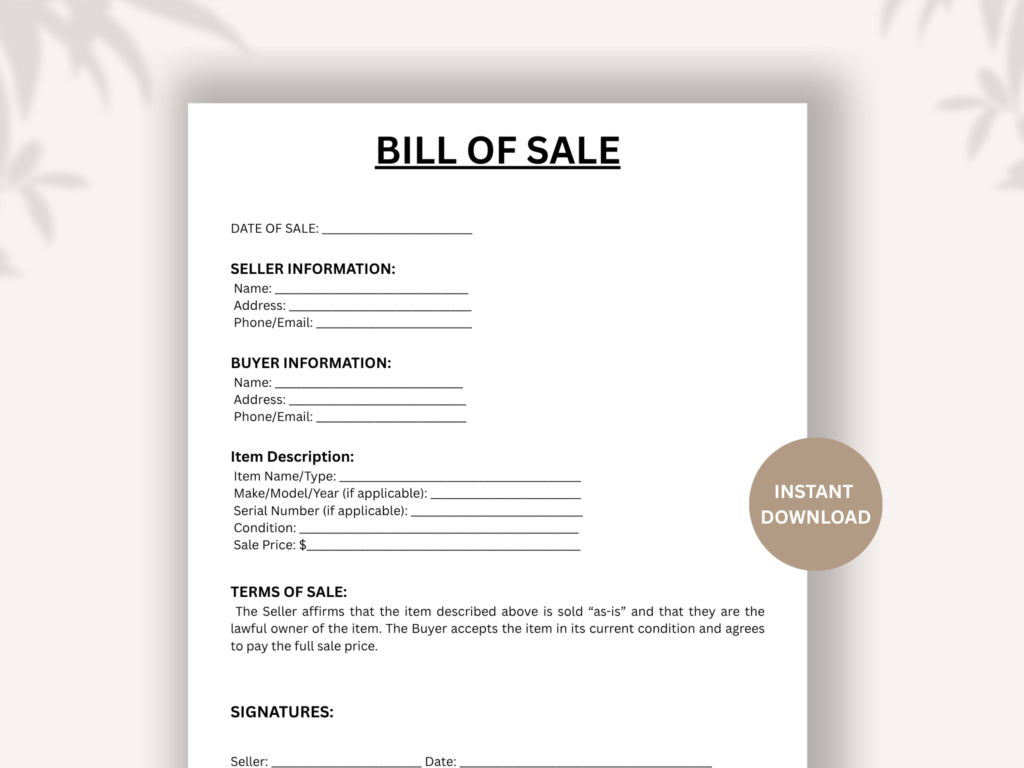
Entering the housing market in Sydney or along the coast is a thrill for many buyers. Every successful transaction begins with a clear document that outlines every responsibility plus right. Having a solid NSW property sale agreement ensures everyone stays on the same page from start to finish.
Legal forms often look scary or confusing at first glance. However, choosing a reliable digital layout helps you avoid common pitfalls while navigating local rules. Protecting your investment should always remain a top priority during these major life steps.

Edit
Full screen
Delete
property sale and purchase agreement template nsw
This guide explains why high-quality drafts matter for a smooth transfer of ownership. We want to help you feel confident while handling complex residential deals. Strong legal foundations make the entire process much faster for all involved parties.
Understanding the significance of correct paperwork prevents unnecessary delays. Clear terms help build trust between folks looking to trade real estate safely.
Key Takeaways
- Quality contracts protect your financial interests during the exchange.
- A digital purchase template simplifies the complex paperwork process.
- Standardized terms help you avoid common legal disputes later.
- Valid documentation speeds up the closing for all parties.
- Consistent form layouts clarify specific buyer and seller expectations.
- Using professional drafts ensures compliance with state regulations.
Understanding the NSW Property Sale and Purchase Agreement
Navigating the complexities of property transactions in NSW requires a thorough understanding of the Property Sale and Purchase Agreement. This legally binding document outlines the terms and conditions of the sale, protecting the interests of both the buyer and the seller.
What Is a Property Sale and Purchase Agreement?
A Property Sale and Purchase Agreement is a contract that details the sale of a property, including the terms of the sale, the price, and the responsibilities of both parties. It is a crucial document that ensures a smooth transaction.
“A well-drafted Sale and Purchase Agreement is essential for minimizing disputes and ensuring that the transaction is completed efficiently,” says a leading conveyancer in NSW.
Why NSW Has Specific Legal Requirements
NSW has specific legal requirements for Property Sale and Purchase Agreements due to its unique legislative framework. The Conveyancing Act 1919 and other regulations govern these agreements, ensuring that they comply with state laws.
| Legislation | Description |
| Conveyancing Act 1919 | Governs the conveyancing process, including the sale and purchase of properties. |
| Property and Stock Agents Act 2002 | Regulates the conduct of property agents and stock agents. |
The Difference Between NSW and Other Australian States
The Property Sale and Purchase Agreement in NSW differs from those in other Australian states due to variations in legislation and regulatory requirements. For instance, the cooling-off period and disclosure requirements can vary significantly.
Key differences include:
- Cooling-off periods: NSW has a 5-day cooling-off period, whereas other states may have different durations or no cooling-off period at all.
- Disclosure requirements: NSW requires specific disclosures, such as the Section 66W certificate, which may not be required in other states.
Essential Components of the Property Sale and Purchase Agreement Template NSW
In NSW, a comprehensive Property Sale and Purchase Agreement is fundamental to a smooth transaction, involving critical details that must be accurately captured. This agreement serves as a legally binding contract between the vendor and the purchaser, outlining the terms and conditions of the sale.
Property Details and Legal Description
The agreement must include a precise description of the property, including its address, lot number, and any relevant strata or survey details. This ensures that both parties are clear about what is being sold and purchased.
Purchase Price and Payment Terms
The purchase price and payment terms are critical components. The agreement should specify the total purchase price, the deposit amount, and the balance payment due date. It should also outline any conditions related to the payment, such as finance approval contingencies.
Identification of All Parties Involved
Accurate identification of the vendor and purchaser is essential. This includes their names, addresses, and contact details. In some cases, it may also involve identifying any other parties with an interest in the transaction, such as guarantors.
To illustrate the key elements and their significance, consider the following table:
| Component | Description | Importance |
| Property Details | Accurate legal description and address | Ensures clarity on the property being sold |
| Purchase Price | Total price and payment schedule | Defines the financial terms of the sale |
| Parties Involved | Names, addresses, and contact details | Legally binds the correct parties to the agreement |
Edit
Delete
By including these essential components and ensuring their accuracy, the Property Sale and Purchase Agreement Template NSW provides a solid foundation for a successful transaction.
Critical Clauses in NSW Property Agreements
When entering into a property sale agreement in NSW, it’s crucial to understand the critical clauses that govern the transaction. These clauses are fundamental in defining the terms and conditions of the sale, protecting the interests of both buyers and sellers.
Cooling-Off Period Provisions
The cooling-off period is a crucial clause in NSW property agreements, allowing buyers to withdraw from the sale within a specified timeframe. In NSW, the cooling-off period is typically 5 business days from the date of the contract exchange. During this period, buyers can cancel the contract, but they may face penalties.
For instance, if a buyer decides to withdraw during the cooling-off period, they might lose a portion of their deposit. It’s essential for buyers to understand the implications of this clause and plan accordingly.
Deposit Amount and Trust Account Details
The deposit amount and the details of the trust account where it will be held are critical components of the NSW property sale agreement. Typically, the deposit is 10% of the purchase price, but this can be negotiated between the parties.
| Deposit Percentage | Typical Use | Trust Account Requirement |
| 10% | Standard deposit for NSW property sales | Mandatory to be held in a trust account |
| Varied | Negotiable between buyer and seller | Must be in accordance with NSW conveyancing rules |
Settlement Date and Possession Terms
The settlement date and possession terms are vital clauses that specify when the ownership of the property is transferred and when the buyer can take possession. These dates can be the same but are sometimes different, depending on the agreement.
Settlement Date: This is the date when the sale is finalized, and the property’s ownership is transferred to the buyer.
Possession Terms: These terms outline when the buyer can take physical possession of the property. It’s crucial to clearly define these terms to avoid disputes.
Understanding these critical clauses is essential for a smooth transaction. Buyers and sellers should carefully review these terms to ensure they are aware of their obligations and rights.
Special Conditions and Contingency Clauses
When drafting a NSW property sale and purchase agreement, incorporating special conditions and contingency clauses is crucial for protecting the interests of both parties. These clauses provide flexibility and protection by addressing specific circumstances that may affect the sale.
Finance Approval Contingencies
A finance approval contingency is a common clause that makes the sale conditional upon the buyer securing a loan. This clause is vital as it allows buyers to withdraw from the sale if they are unable to obtain the necessary financing.
Key elements of finance approval contingencies include:
- Specifying the loan amount and type
- Defining the timeframe for securing finance
- Outlining the obligations of the buyer to apply for finance
For instance, a buyer might include a contingency clause that states the sale is subject to securing a mortgage of $500,000 within 30 days. This gives the buyer a clear timeline and conditions under which they can withdraw without penalty.
Building and Pest Inspection Conditions
Building and pest inspection conditions are another critical type of contingency clause. These clauses allow buyers to conduct inspections to identify any potential issues with the property.
The benefits of including such conditions are:
- Identifying structural damage or pest infestations
- Negotiating the price or requesting repairs based on inspection findings
- Withdrawing from the sale if significant issues are discovered
For example, a buyer might include a clause that allows for a building inspection. If the inspection reveals significant structural damage, the buyer can either negotiate with the seller to fix the issues or withdraw from the sale.

Edit
Full screen
Delete
contingency clauses NSW
Subject to Sale of Existing Property Clauses
Subject to sale of existing property clauses are used when a buyer is contingent on selling their current property to finance the purchase of the new one. This clause is particularly relevant in a competitive market where buyers need to secure funds from the sale of their existing property.
| Clause Component | Description |
| Condition Precedent | The sale is conditional upon the sale of the buyer’s existing property. |
| Timeframe | Specifies the timeframe within which the existing property must be sold. |
| Buyer’s Obligations | Outlines the buyer’s efforts to sell their existing property, such as listing it for sale within a certain period. |
In conclusion, special conditions and contingency clauses are essential components of a NSW property sale and purchase agreement. They provide a safeguard for both parties by addressing potential risks and uncertainties associated with the transaction.
Vendor and Purchaser Obligations
In the NSW property market, understanding the obligations of both vendors and purchasers is crucial for a smooth transaction. The property sale and purchase agreement outlines the responsibilities of both parties, ensuring a transparent and legally compliant process.
The obligations of vendors and purchasers are multifaceted, involving legal, financial, and procedural responsibilities. Vendor obligations NSW are particularly significant, as they directly impact the validity and enforceability of the sale and purchase agreement.
Seller Disclosure Requirements
Seller disclosure requirements are a critical aspect of vendor obligations. In NSW, sellers are mandated to disclose all known defects and issues with the property. This includes providing a section 149 certificate, which outlines various matters affecting the property, such as zoning, council rates, and any outstanding notices.
- Disclosure of known defects and issues
- Provision of a section 149 certificate
- Information about any outstanding notices or orders
Seller disclosure requirements are designed to protect buyers by ensuring they have a comprehensive understanding of the property’s condition and any potential liabilities.
Title Warranties and Encumbrances
Title warranties and encumbrances are essential components of the sale and purchase agreement. Vendors are required to warrant that they have the right to sell the property and that it is free from encumbrances unless otherwise disclosed.
Encumbrances can include mortgages, easements, and restrictive covenants. It is crucial for vendors to disclose any such encumbrances to avoid potential disputes or legal issues post-sale.
Property Condition Representations
Property condition representations are another vital aspect of vendor obligations. Sellers must accurately represent the condition of the property, including any known defects or issues.
“A vendor’s failure to disclose known defects can lead to significant legal and financial consequences, including potential claims for damages or contract rescission.”
— NSW Supreme Court
In conclusion, understanding and fulfilling vendor and purchaser obligations is critical for a successful property transaction in NSW. By ensuring compliance with seller disclosure requirements, title warranties, and property condition representations, both parties can navigate the sale and purchase process with confidence.
Customizing Your Template for Different Property Types
Customizing your Property Sale and Purchase Agreement Template is essential for ensuring that it meets the specific needs of various property transactions in NSW. Different properties have unique characteristics that require tailored clauses and conditions to protect the interests of both buyers and sellers.
Residential Property Considerations
For residential properties, the agreement should include specific details such as the property’s address, the names of the parties involved, and the purchase price. It’s also crucial to outline the cooling-off period and any special conditions related to the sale.
- Clearly define the property boundaries and any inclusions or exclusions.
- Specify the settlement date and any conditions precedent to settlement.
- Include any necessary disclosures required by NSW law.
Residential property transactions often involve emotional decisions, so having a clear and comprehensive agreement can help manage expectations and reduce the risk of disputes.
Investment and Rental Property Adjustments
Investment and rental properties require additional considerations, such as the inclusion of existing leases and rental income details. The agreement should also address any tenant obligations and the condition of the property.
- Detail the terms of any existing leases and the status of tenant obligations.
- Include information about the property’s current rental income and any outstanding rent.
- Specify the condition of the property and any necessary repairs or maintenance.
For investment properties, it’s essential to ensure that the agreement reflects the property’s income-generating potential and any associated responsibilities.
Including Fixtures, Fittings, and Chattels
Fixtures, fittings, and chattels can be a point of contention in property sales. The agreement should clearly define what is included and what is excluded from the sale.

Edit
Full screen
Delete
customizing property sale agreement NSW
- List all fixtures and fittings that are included in the sale, such as appliances and lighting.
- Specify any chattels that are part of the sale, such as furniture or other personal property.
- Clearly state any items that are excluded from the sale.
By clearly outlining the inclusions and exclusions, you can avoid misunderstandings and ensure a smoother transaction.
Common Pitfalls and How to Avoid Them
When navigating the complex world of NSW property transactions, understanding common pitfalls is crucial for a smooth sale and purchase process. Buyers and sellers in NSW must be aware of the potential issues that can arise during the property sale and purchase process to avoid costly mistakes.
Incomplete or inaccurate property descriptions can lead to disputes and potential legal issues down the line. Ensuring that the property description is thorough and accurate is vital. This includes providing detailed information about the property’s boundaries, any inclusions or exclusions, and its current condition.
Incomplete or Inaccurate Property Descriptions
A precise property description is the cornerstone of a valid sale and purchase agreement. It should include the property’s legal description, address, and any notable features. Failing to accurately describe the property can result in misunderstandings and potential litigation.
To avoid this pitfall, ensure that the property description is comprehensive and verified against official documents. It’s also advisable to include any relevant certificates or reports that could impact the property’s value or desirability.
Vague or Ambiguous Special Conditions
Special conditions are a critical component of the sale and purchase agreement, as they allow parties to include specific terms relevant to their transaction. However, vague or ambiguous special conditions can lead to confusion and disputes.
To mitigate this risk, it’s essential to draft special conditions clearly and concisely, ensuring that all parties understand their implications. This might involve seeking legal advice to ensure that the conditions are enforceable and unambiguous.
Overlooking Mandatory Disclosures
NSW legislation mandates certain disclosures to be made during the property sale and purchase process. Overlooking these mandatory disclosures can have serious legal consequences, including fines and potential contract termination.
To avoid this, sellers and their representatives must ensure that all required disclosures are made in a timely manner. This includes providing the necessary documentation and information to the buyer, such as the Section 66W certificate and any other relevant disclosures.
By being aware of these common pitfalls and taking steps to avoid them, buyers and sellers in NSW can navigate the property sale and purchase process more effectively, reducing the risk of disputes and ensuring a smoother transaction.
NSW Legal Compliance and Regulatory Requirements
Navigating NSW legal compliance is vital for successful property transactions. The NSW property market is subject to various legal and regulatory requirements that buyers, sellers, and conveyancers must adhere to.
Conveyancing Act 1919 Obligations
The Conveyancing Act 1919 is a critical piece of legislation governing property transactions in NSW. It outlines the obligations and responsibilities of both vendors and purchasers.
Under this Act, vendors are required to provide certain disclosures and warranties to purchasers. This includes information about the property’s title, any encumbrances, and other relevant details.
Section 66W Certificate Essentials
A Section 66W certificate is a crucial document in NSW property transactions. It confirms that the purchaser has received the deposit from the vendor and that it is being held in a trust account.
This certificate is essential for protecting the purchaser’s deposit and ensuring that it is handled in accordance with NSW conveyancing law.
Contract for Sale Disclosure Requirements
The Contract for Sale is a legally binding document that outlines the terms and conditions of the property sale. NSW law requires that certain disclosures be made within this contract.
Stamp Duty and Tax Implications
Stamp duty is a significant cost associated with property transactions in NSW. The amount payable varies depending on the property’s value and the purchaser’s circumstances.
Understanding the stamp duty and tax implications is crucial for both buyers and sellers to avoid any unexpected costs or liabilities.
| Regulatory Requirement | Description | Implications |
| Conveyancing Act 1919 | Governs property transactions in NSW | Outlines vendor and purchaser obligations |
| Section 66W Certificate | Confirms deposit receipt and trust account details | Protects purchaser’s deposit |
| Contract for Sale Disclosure | Outlines terms and conditions of sale | Ensures transparency and compliance |
| Stamp Duty and Tax | Significant cost associated with property transactions | Varies depending on property value and purchaser circumstances |
When Professional Legal Assistance Is Necessary
Understanding when to seek professional legal help is key to avoiding pitfalls in NSW property deals. The process of buying or selling a property involves complex legal requirements and nuances that can be challenging for individuals to navigate alone.
Engaging a professional can make a significant difference in ensuring that the transaction is handled correctly and efficiently. Whether you’re dealing with a complex transaction, a dispute, or a contract variation, having the right legal expertise can provide peace of mind and protect your interests.
Complex Transaction Scenarios
Some property transactions in NSW involve complexities that necessitate professional legal assistance. For instance, transactions involving multiple parties, properties with unique legal issues, or deals with non-standard terms require expert legal guidance. In such cases, a conveyancer or solicitor can help navigate these complexities, ensuring that all legal requirements are met and that the transaction proceeds smoothly.
Handling Disputes or Contract Variations
Disputes or the need for contract variations can arise during the property sale and purchase process. Whether it’s a disagreement over the terms of the sale, issues with the property’s condition, or changes in the buyer’s or seller’s circumstances, legal professionals can provide invaluable assistance. They can help negotiate resolutions, draft amendments to the contract, and represent their clients’ interests in disputes.
The Value of Conveyancers and Solicitors
Conveyancers and solicitors specializing in property law bring expertise and experience to the table. They are well-versed in NSW’s legal requirements, including the Conveyancing Act 1919 and other relevant legislation. By engaging a professional, individuals can ensure that their property transaction is handled with the utmost care and in compliance with all legal obligations.
In conclusion, while it’s possible to navigate a property transaction without professional legal assistance, the risks involved can be significant. For complex transactions, disputes, or contract variations, seeking the help of a conveyancer or solicitor is not just advisable but often necessary to protect one’s interests and ensure a successful outcome.
Conclusion
Finalizing a property sale agreement in NSW requires careful consideration of various factors to ensure a smooth transaction. Using a comprehensive and compliant NSW property sale and purchase agreement template is crucial in this process.
A well-structured agreement template helps to clearly outline the terms and conditions of the sale, protecting the interests of both the vendor and the purchaser. It is essential to include all necessary details, such as property description, purchase price, and settlement date, to avoid potential disputes.
When finalizing your property sale agreement, it is recommended to seek professional advice from conveyancers or solicitors to ensure compliance with NSW legal requirements. They can help you navigate complex transaction scenarios and handle any disputes that may arise.
By using a reliable NSW property sale and purchase agreement template and seeking professional guidance when needed, you can ensure a successful and stress-free property transaction.
FAQ
What exactly is a NSW Property Sale and Purchase Agreement Template?
Think of it as the essential roadmap for your real estate journey in New South Wales. This template is a legally binding document that outlines the terms and conditions between a buyer and a seller. It covers everything from the purchase price and deposit amount to the specific settlement date, ensuring that both parties are protected and clear on their obligations under the Conveyancing Act 1919.
Why does New South Wales have different legal requirements than other states?
Real estate laws in Australia are state-specific, and NSW has its own unique set of regulations designed to protect consumers. For instance, NSW law requires a “vendor disclosure” system where the seller must provide certain documents—like a title search and local council certificates—before the property is even listed. Following the standards set by the Law Society of NSW and the Real Estate Institute of New South Wales (REINSW) ensures your transaction is compliant and moves forward without a hitch.
How does the cooling-off period work in a standard NSW agreement?
In New South Wales, residential property buyers generally have a five-business-day cooling-off period after contracts are exchanged. This gives you a little extra time to finalize your finance approval or conduct a last-minute building and pest inspection. However, keep in mind that if you decide to pull out during this window, you will forfeit 0.25% of the purchase price to the seller. In some fast-paced markets, like Sydney, sellers may ask you to waive this period using a Section 66W Certificate.
What are special conditions, and should I include them?
Special conditions are extra clauses tailored to your specific needs. Common examples include making the contract subject to the sale of an existing property or ensuring certain fixtures and fittings—like a high-end Smeg oven or a specific chandelier—are included in the sale. These clauses allow you to customize the Property Sale and Purchase Agreement Template NSW to fit your unique situation.
What is a Section 66W Certificate, and when is it used?
A Section 66W Certificate is a document signed by a solicitor or conveyancer that effectively waives the buyer’s right to a cooling-off period. This is very common in competitive auctions or high-stakes private treaties. By providing this certificate, the contract becomes binding the moment it is signed, which can make your offer much more attractive to agencies like McGrath or Ray White.
How are stamp duty and other taxes handled during the process?
Stamp duty, now often referred to as transfer duty, is a mandatory tax paid to Revenue NSW. The amount is based on the property’s purchase price and must typically be paid within three months of settlement. When your transaction is processed through digital platforms like PEXA, your solicitor will ensure that the correct duty is calculated and paid to the government automatically at the time of settlement.
Why is it important to list all fixtures, fittings, and chattels accurately?
To avoid any “moving day” surprises! A common pitfall is a vague or ambiguous description of what stays with the house. By clearly listing items like dishwashers, specialized window treatments, or outdoor sheds in the agreement, you prevent disputes between the vendor and purchaser over what was included in the purchase price.
When should I involve a professional conveyancer or solicitor?
While a template provides a fantastic starting point, it is always wise to engage a professional for complex transaction scenarios or when handling contract variations. A licensed conveyancer or a lawyer from a firm like Herbert Smith Freehills or a local specialist will ensure all title warranties and encumbrances are checked, protecting you from potentially costly legal issues down the road.